
*Image is for illustrative purposes only and may not represent actual treatment outcomes.
Precision-Made, Just for Your Smile
One tooth. A whole set. Whatever you’re after, porcelain veneers can change the shape, shade or alignment of your teeth without heading into more invasive treatment. Maybe there’s one tooth that’s bothered you for years. Maybe you’re after a broader refresh. Either way, nothing about your veneer is off the shelf. It’s built to your teeth, and only your teeth.
Not sure if veneers are the right move? That’s exactly what your first consultation is for.
So, What Actually Is a Veneer?
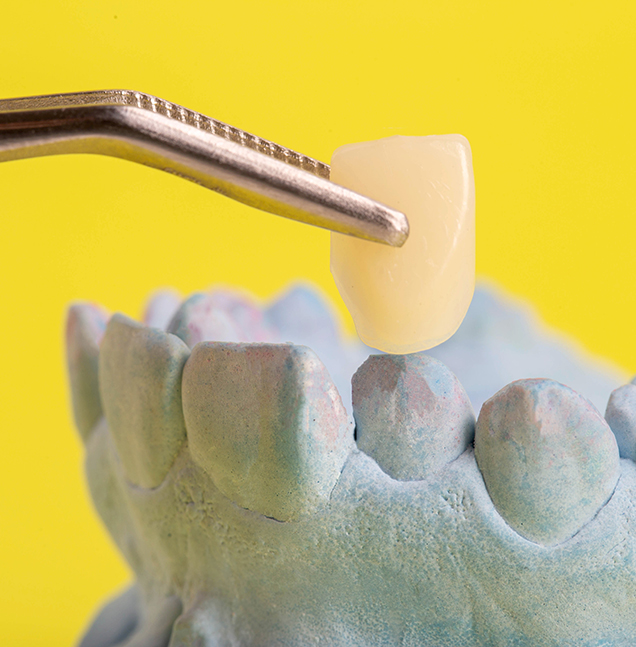
Picture a paper-thin shell of tooth-coloured porcelain, bonded directly onto the front of your natural tooth. Think false fingernail, but built to handle years of everyday biting and chewing. Your dentist shapes and sizes each one individually, adjusting a tooth to sit straighter, look longer, or close up a small gap.
It’s also worth knowing veneers aren’t only a cosmetic option. If braces aren’t suitable for you, a veneer can sometimes be used to bring a slightly out-of-position tooth back into line with the others, or close a small gap without orthodontic treatment.
Some patients need just one veneer. Others go for a full set, sometimes called a smile makeover. Either way, what’s right for you depends entirely on your teeth and what you’re aiming for, and that’s a conversation your dentist will have with you directly.
Why Patients Choose Porcelain Veneers
- Shade-matched to blend in. Porcelain is selected and adjusted to match the colour of your surrounding teeth, tooth by tooth.
- Shaped around your goals. Whether it’s one tooth or a full set, the shape and size are planned around what you specifically want changed.
- An alternative to braces for some cases. Minor misalignment or small gaps can sometimes be addressed with a veneer instead of orthodontic treatment.
- Made to handle daily wear. Veneers are built from a material designed to cope with regular biting and chewing, provided they’re properly cared for.
Things to Consider Before You Start
- Not everyone’s a candidate. Suitability depends on your teeth, and your dentist will confirm whether veneers make sense for you. Results can vary from person to person.
- Tooth preparation is generally irreversible. A small amount of enamel is usually removed to fit the veneer. Your dentist will explain what that means for you long term.
- Some sensitivity is normal early on. Most patients find it settles within a short period after placement.
- They still need looking after. Veneers require the same ongoing care as your natural teeth: brushing, flossing, regular check-ups.
Ready to see what's actually involved?
Here’s every stage, from your first consultation to the moment your veneers are fitted.
Your Veneers Journey

1. Before the Procedure
Initial Assessment
This starts with a conversation, not a treatment plan. Your dentist asks about your dental and medical history, and more importantly, what you actually want to change. This is also where you'll find out if veneers are right for your teeth at all. Not every patient is a match, and that's a completely normal outcome of this step.
Diagnostic Evaluation
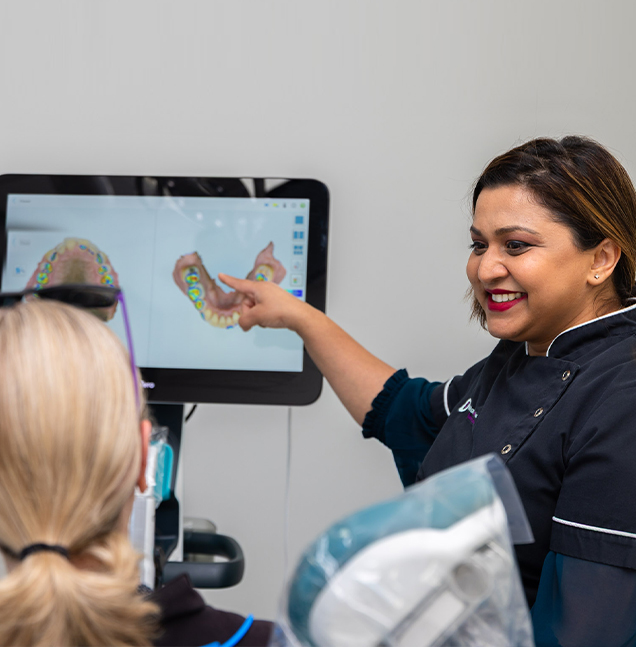
X-rays and digital scans reveal what's happening beneath the surface. Your tooth shade, shape and alignment get properly assessed too, because every detail here shapes the plan for your veneers.
Treatment Planning
Digital impressions or models show your dentist exactly how the veneers will sit against your bite and the teeth beside them, before any work begins. Many patients get to see a preview or mock-up at this stage, so there's a clear picture of the plan, not a surprise at the end.
2. During the Procedure
Tooth Preparation
A small amount of enamel is shaped to make room for the veneer, just enough for it to sit properly, nothing more. Fresh impressions or scans are taken straight after, so the lab has everything it needs to build a veneer that actually fits your tooth.
Temporary Veneers
While your final veneers are being made, temporaries protect your prepared teeth and give you a preview of what's coming, shape and size included.
Laboratory Fabrication
Your veneers are built off-site, at a dental laboratory, to the exact design agreed with your dentist. Material and shade are matched carefully to blend with the rest of your smile.
3. Placement of the Veneers
Fitting Appointment
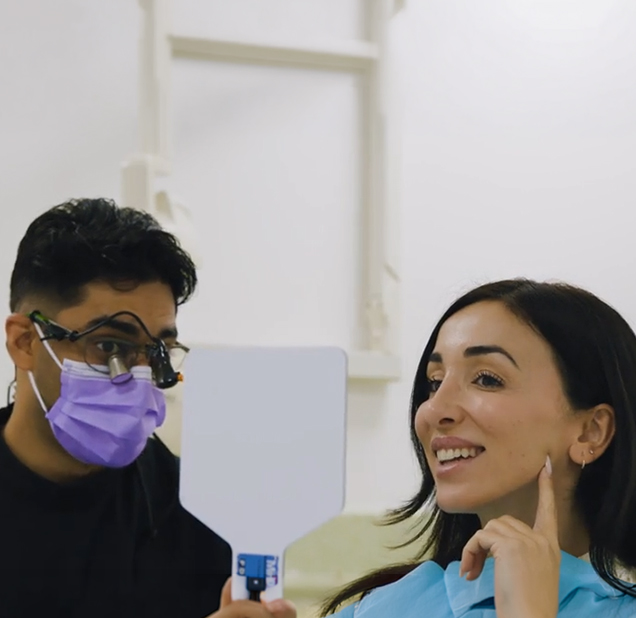
Before anything is bonded permanently, your dentist checks the fit, shape and colour of each veneer against your real teeth. If anything needs adjusting, this is the moment it happens.
Bonding Process
Once you're both happy with the result, each veneer is bonded in place using materials designed for long-term adhesion. A final polish and bite check wrap things up.
4. After the Procedure
Initial Response
Some mild sensitivity to hot, cold or pressure is common for a short while afterwards. It's a normal part of your teeth settling in, and it typically fades on its own.
Aftercare Guidance
Day to day, caring for veneers looks a lot like caring for your natural teeth: brush, floss, go easy on hard foods, and keep up with regular check-ups so your dentist can keep an eye on things.
Before
After
About this case
Concern: Worn, chipped and discoloured teeth, with a desire to restore tooth height and improve tooth colour.
Treatment: 10 veneers
Timeframe: 1 month
After image taken: Immediately after final stage of treatment
*Outcomes shown are only relevant for these patients and do not necessarily reflect results other patients may experience.